ACCUMULATION & DISTRIBUTION
How Smart Money Really Moves The Markets
Richard D Wyckoff Revisited
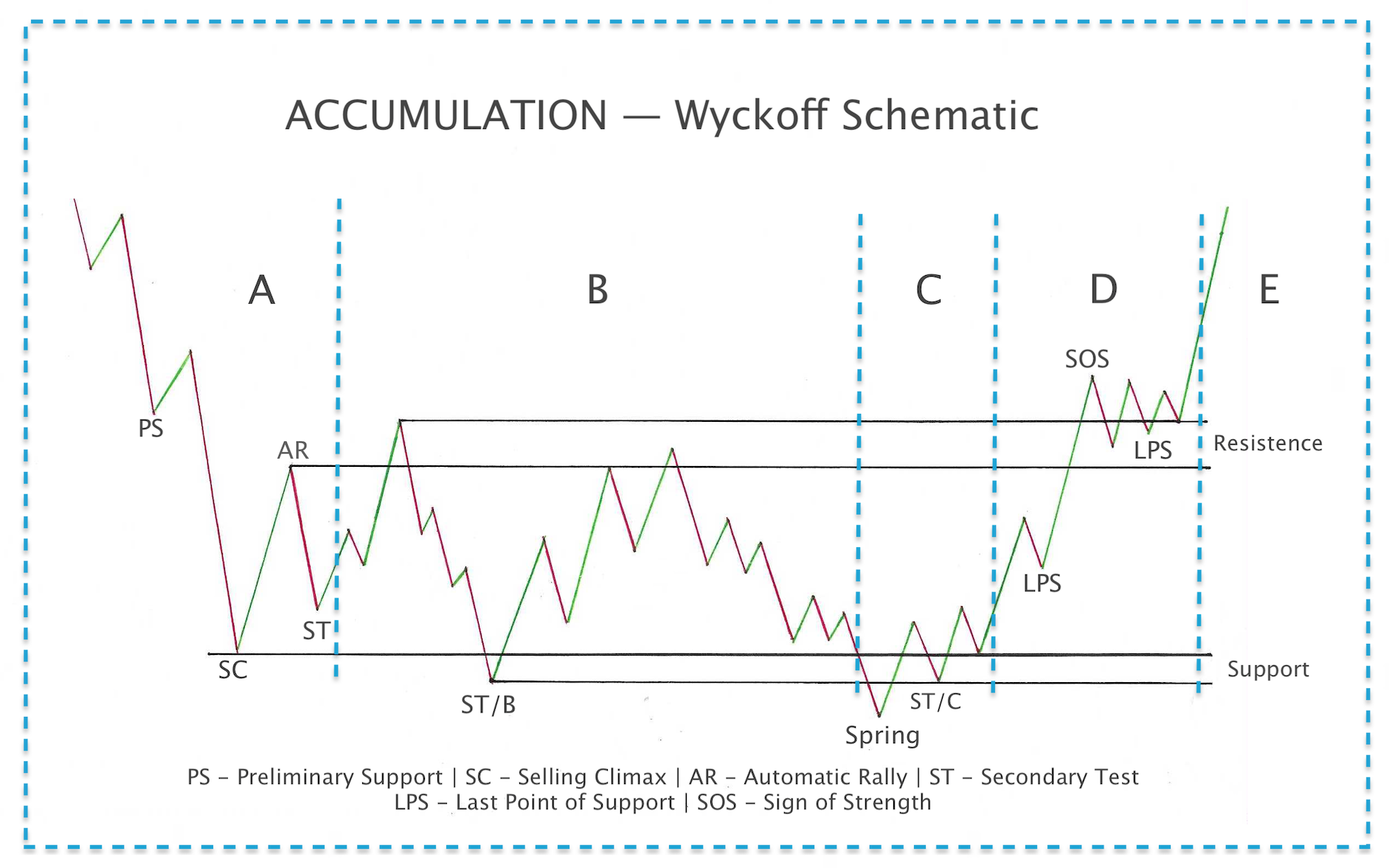
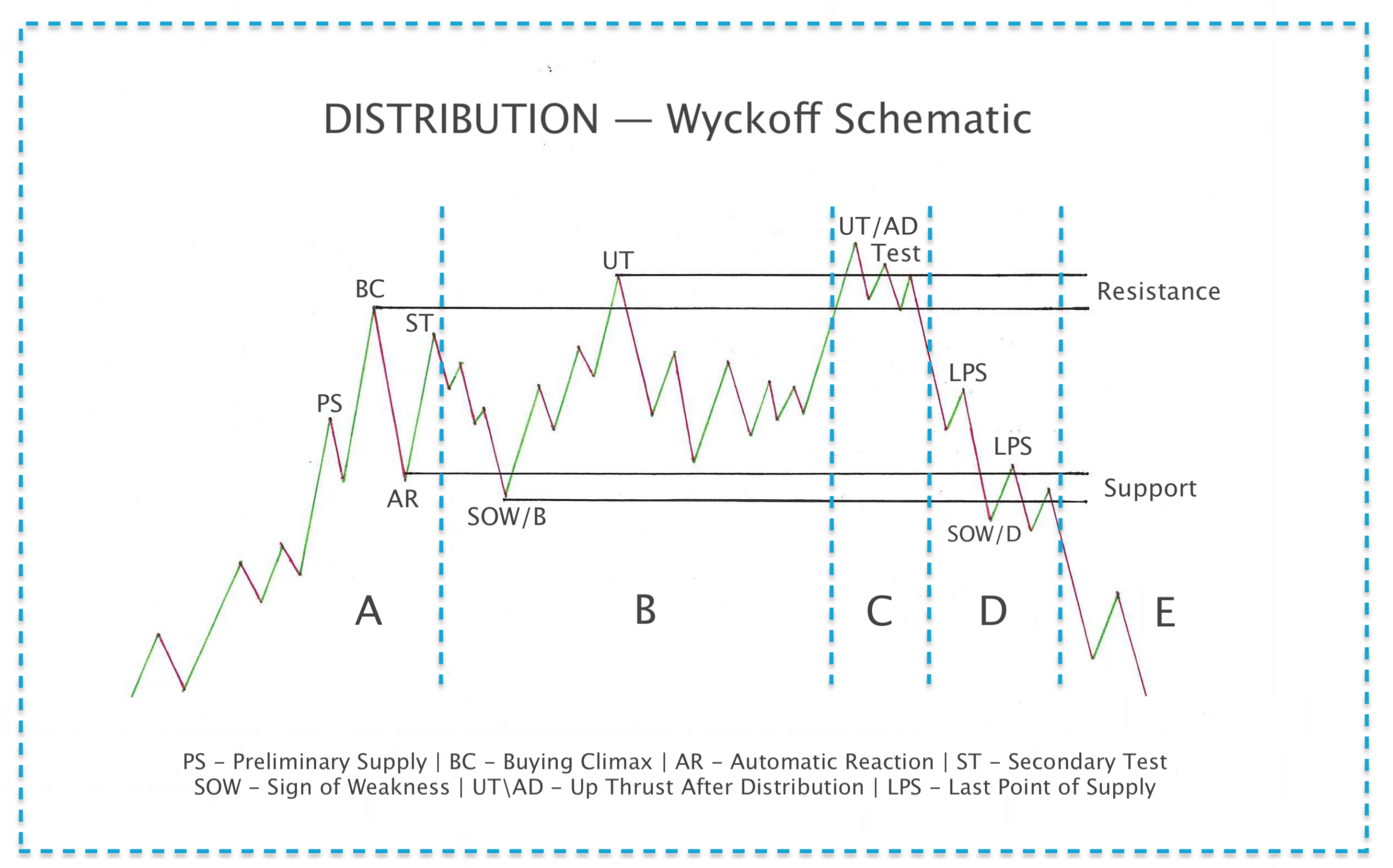
My hand-drawn charts replicated from: https://www.wyckoffanalytics.com
Introduction
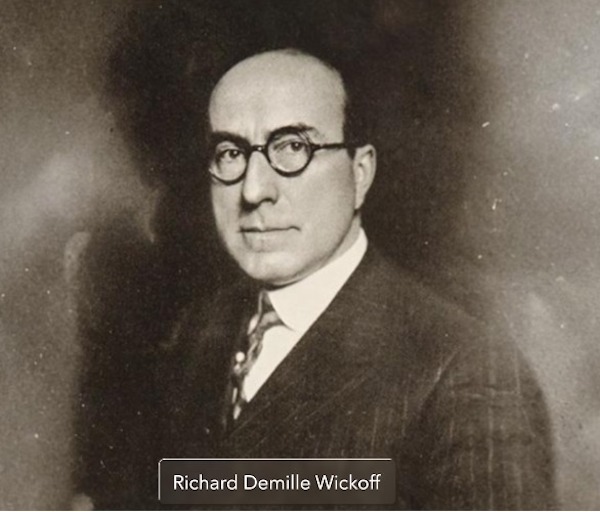
I’m re-visiting Richard D Wyckoff’s precepts on accumulation and distribution from a semiotics perspective, for my own benefit. I’m happy to share my research, notes and thoughts as I go. His contribution to chart analysis, trading and investing cannot be underestimated. Through his pioneering study of the Composite Operator — the large operators who move the markets — he revealed the structure of the markets and effectively codified price behaviour.
Wyckoff’s Contemporaries
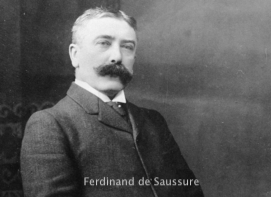
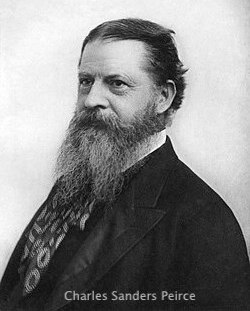
Around the same time Wyckoff was practicing, 1910 ± 20 years, Ferdinand de Saussure was codifying written and spoken language at the University of Geneva; Charles Sanders Peirce founder of modern semiotics, extended the understanding of signs to included all phenomena incorporating non-linguistic signs into categories. It was an era of outstanding development in the Social Sciences that moved away form the dogmatic systems of the past and pivoted towards structuralism, perspectivism and falsifiability.
Saussure’s Dyadic Model
- Developed a closed two-part psychological model of the linguistic sign.
- Signifier: The physical form of the sign (the sound or written word).
- Signified: The mental concept it represents.
- Focus: Signs function arbitrarily within a specific cultural language system.
At its core, Wyckoff’s analysis is one of human behaviour. His methodology reveals how markets move in distinct cycles driven by accumulation and distribution (supply and demand), price action, and volume.
How does this align with Saussure’s analysis of language, Structural Linguistics. Price has no intrinsic value of its own, it does not correspond the value of the companies within the S&P 500. The link only exists because the market participants agree to accept it as a valid representation of value. That value is dependent on difference, that it is different from what it was the previous day or relative to alternative assets like the 10-year Treasury Note. Through the individual acts of buying or selling, price is the utterance that results from it.
- The signified: fear, greed, optimism, expectations — remain as an idea inside the mind.
- The behaviour: clicking buy or sell on a terminal — the mental state (signified) causes the behaviour, which then produces the price (signifier).
In Saussure’s model the signifier becomes the signified, instantly readjusting it’s collective meaning, rendering the S&P a perpetual, self-referential loop of information.
Peirce’s Triadic Model
- Developed an open-ended, three-part logical and philosophical model of the sign.
- Representamen: The physical or sensory form the sign takes.
- Object: The external reality or thing the sign refers to.
- Interpretant: The meaning or mental effect generated in the mind of the interpreter.
- Focus: How the universe perfused with signs, extending far beyond spoken language into everyday experiences and scientific reasoning.
In the Charles Sanders Peirce model, Wyckoff’s market theory price does signify the behaviour of the Composite Operator. It does this through a specific semiotic mechanism — as an indexical sign. The S&P 500 viewed through Wyckoff’s lens is the footprint of the Composite Operator’s actions.
Peirce’s Three Categories of Sign
- Icon: a sign that physically resembles or mimics the object it represents — a photograph of you has visual or structurally similarities to you.
- Index: is a sign that points to or is direct evidence of it’s object. It relies on casual, sensory or physical connection rather than a visual likeness. For example, smoke indicates fire, a footprint in the snow indicates someone walked there.
- Symbol: is an arbitrary sign (see Saussure). There is no physical resemblance or logical connection to what it represents. You must lean the cultural rules to understand the meaning.
Wyckoff’s Code
The Composite Operator cannot hide their orders because their size is too massive. Therefore, their every price movement signifies, is an indexical sign, a specific phase of their behaviour.
- Buying Climax Signifier (Price/Volume): A sudden, sharp drop on massive volume after a long up trend.
- Distribution Signified (The Operator’s Intent): The Composite Operator is aggressively transferring their shares to the public.
- Spring Signifier (Price/Volume): A brief, sharp drop below a known support level that instantly snaps back on low volume.
- The Signified (The Operator’s Intent): The Composite Operator is clearing out retail stop-losses to accumulate cheap shares before a mark-up.
The Duality: Deception vs Revelation
The relationship between the signifier, price, and the signified, the Composite Operator’s behaviour, is a game of strategic manipulation.
- The Intended Signification — Trap: The Composite Operator deliberately manipulates the price to create a false signifier. They push the price above resistance to signify strength to retail traders, inducing them to buy.
- The True Signified: The Composite Operator’s actual behaviour is the exact opposite — they are using that retail buying liquidity to sell.
Reading the Language of the Operator
Wyckoff’s entire methodology is essentially a semiotic toolkit for decoding these signs. Because the Composite Operator must leave tracks in price and volume, you can look at the signifier, the chart, and immediately read the hidden mental state and physical positioning, the signified, of the market’s biggest players, with practice.


Please support our work by considering AvaTrade our affiliate partners. Step into global markets and trade with confidence across Stocks, Crypto, FX, Commodities, Indices and more. AVATRADE are a Highly regulated multi-asset broker. We may receive a commission.

Structural Map: Wyckoff Accumulation Signs
This is the Composite Operator’s stealthy process of buying up shares at knockdown prices before marking them up.
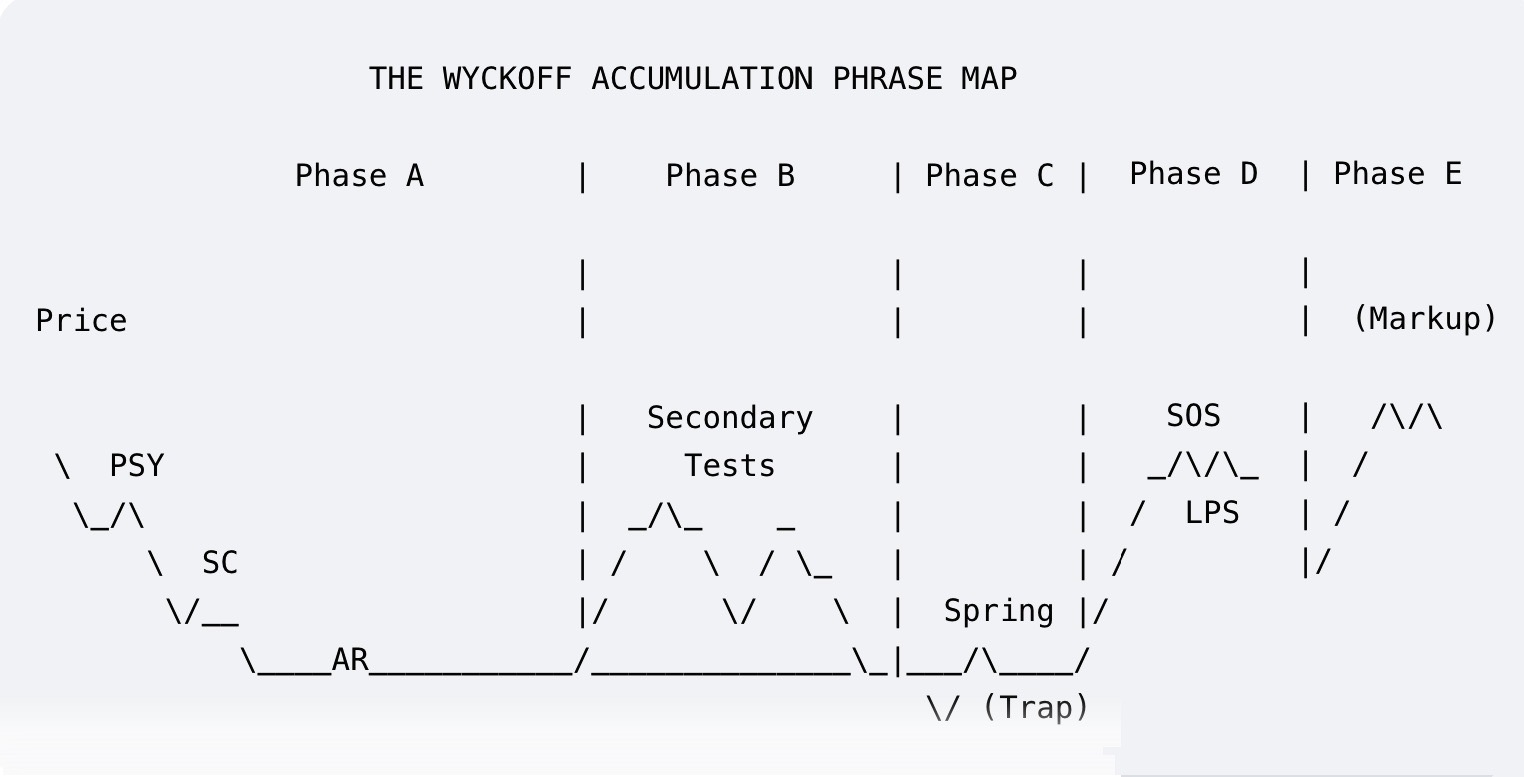
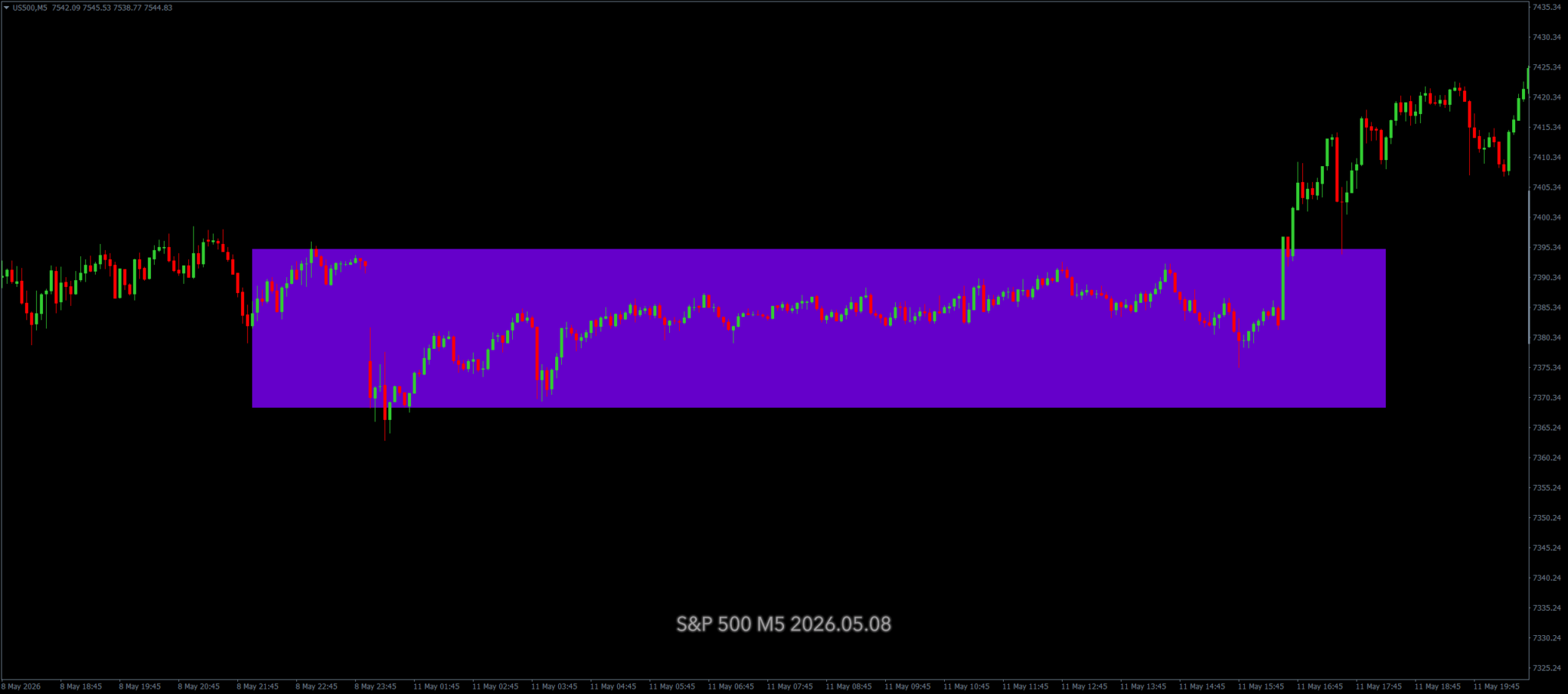
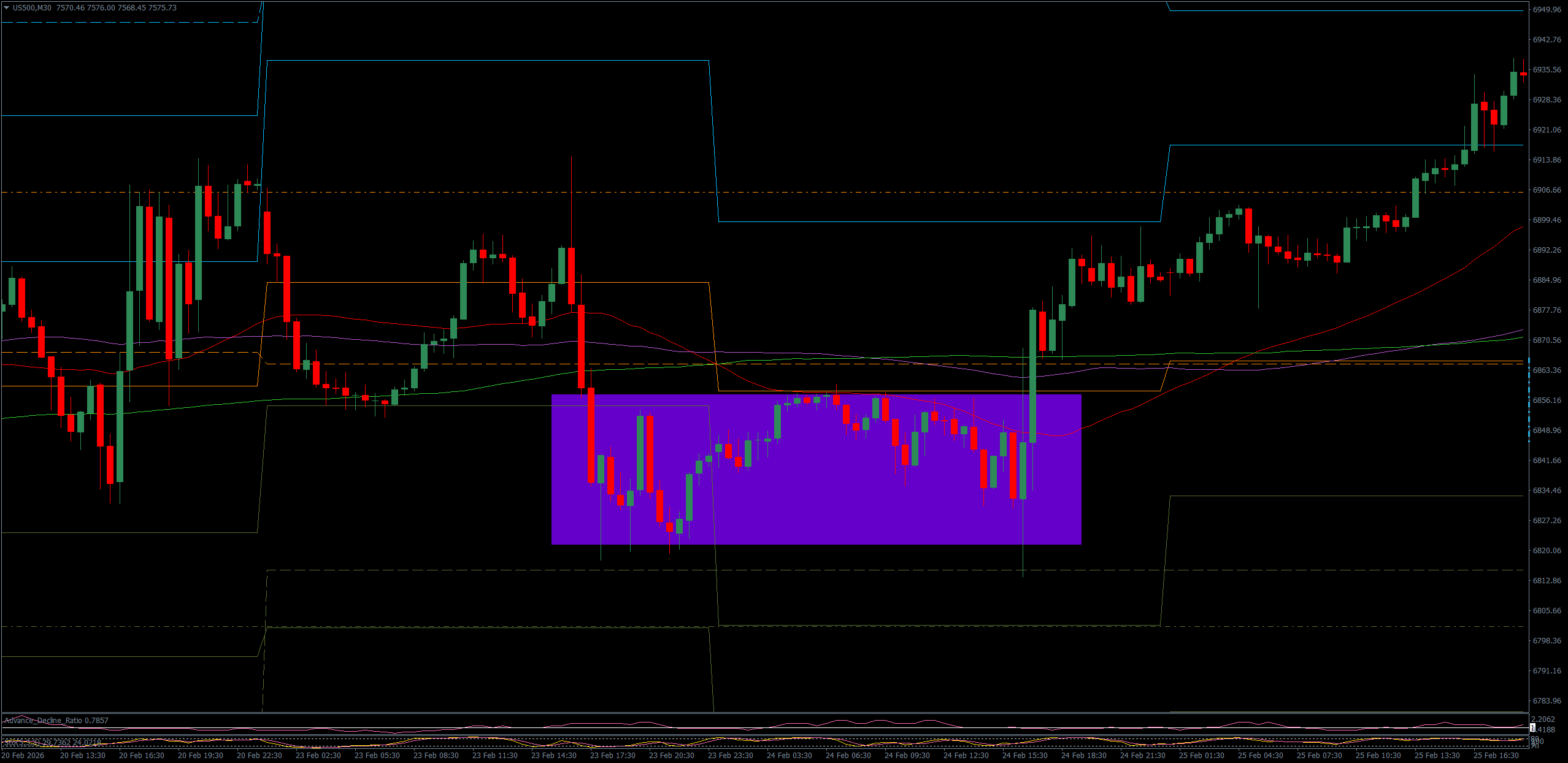
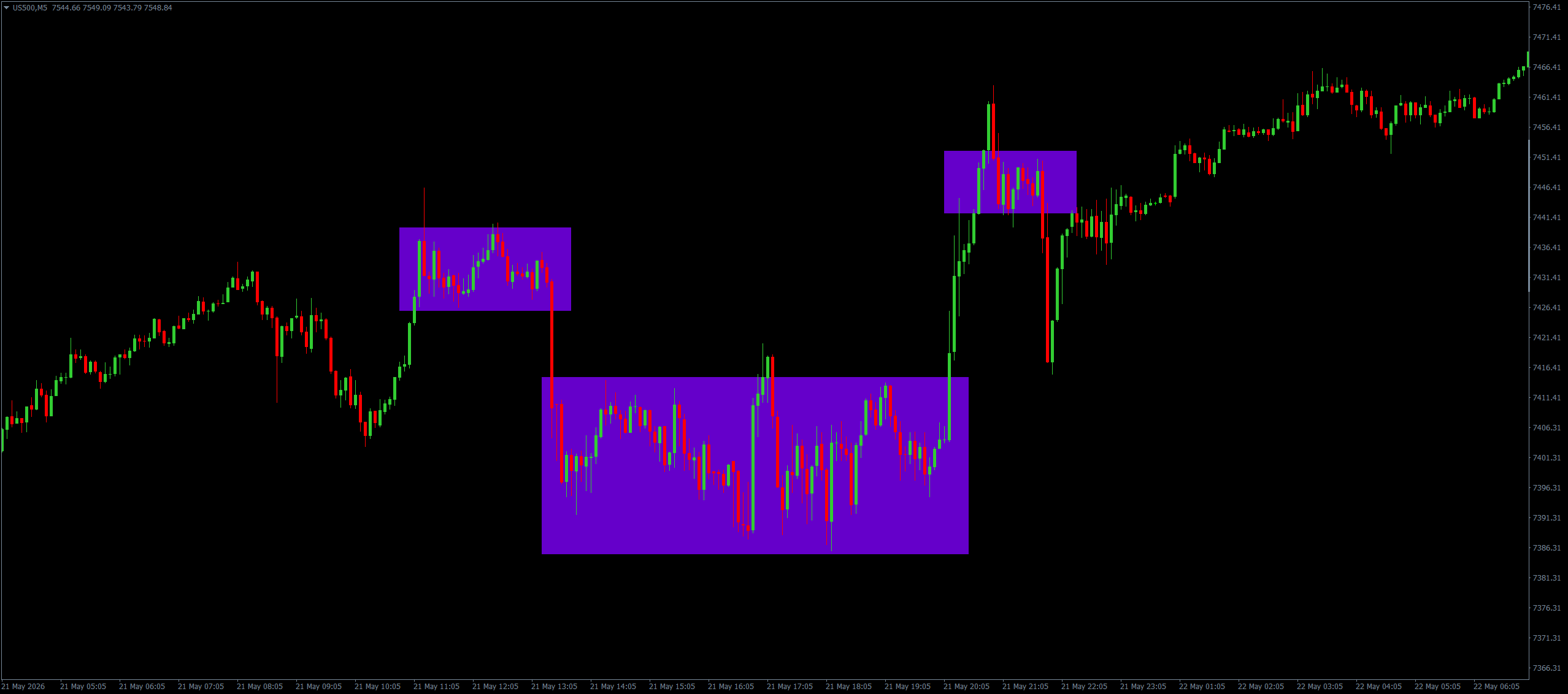
During an accumulation campaign, the signifiers change drastically across five distinct phases as the Composite Operator systematically absorbs supply, see the schematic charts at the top of the page.
Phase A: Stopping the Downtrend
- PS – Preliminary Support: Large operators begin buying. The signifier is a widening price spread down, but on high volume, signifying institutional interest is starting to break the fall.
- SC – Selling Climax: Panic selling by the public. The signifier is a massive down-bar with extreme volume. The true signified is that the Composite Operator is absorbing all panic orders.
- AR – Automatic Rally: The signifier is a sharp bounce on low volume. It signifies that selling pressure has temporarily vanished, establishing the top of the trading range.
Phase B: Building the cause
- ST – Secondary Test: Price revisits the SC lows. This signifies that the floating supply of sellers is drying up.
Phase C: The Test & The Trap:
- The Spring: The ultimate trap. The signifier is breaking below the support line established by the SC
Phase D & E: Demand Takes Control
- Sign of Strength, SOS & Last Point of Support, LPS: Price rallies to the top of the range on wide spreads and high volume, SOS, then pulls back on narrow spreads and low volume, LPS. This signifies that buyers are aggressive and sellers are exhausted. Phase E is the official markup.
Conclusion
Synthesizing the Wyckoff method with semiotics reveals that market charts are complex linguistic systems where price and volume serve as dynamic signifiers. By decoding these indexical signs, footprints, it’s possible to uncover the true signified — the hidden intent and strategic positioning of the Composite Operator. This framework transforms the S&P 500 from a chaotic, random walk into a structured dialogue, hidden beneath the markets noise that can be read by most anyone willing to take the time to learn the language.
References
- Saussure – Jonathan Culler, Fontana Modern Masters
- Image Music Text – Roland Barthes
- Studies in Tape Reading – Richard Demille Wyckoff
- The Day Traders’s Bible – Richard D Wyckoff
- The Richard D. Wyckoff Method of Trading and Investing in Stocks – Wyckoff Associates, Inc
- How I trade and Invest – Richard D Wyckoff
- Tape Reading – Linda Bradford Raschke
- The Art of Institutional Trading – Joseph Plazo
- https://stockcharts.com
Wyckoff Trading Method – Learn From Experts | Wyckoff Analytics
Authors Notes
I became involved with Ferdinand de Saussure’s Structural Linguistics, signs, significance and semiotics when I was studying for my Master of Arts degree in Design at university. It provided a model for encoding design with significance, from which meaning can emerge.
I must have read practically everything that was written at the time, late 80’s and 90’s, on Structuralism and Semiotics. It has informed my design work ever since then. I taught a methodology on encoding design with significance to students at collages and university. I employed the methodology to encode a design project as recent as 2016. The project was bought in it’s entirety by the National Museum as an example of the article and the map that produced it.
There will be more analysis into the genius that is Richard Demille Wyckoff — Volume Spread Analysis, Point and Figure charts and more to dig into.
Risk Warning
— This communication is for information and education purposes only and should not be taken as investment advice, a personal recommendation, or an offer of, or solicitation to buy or sell, any financial instruments. This material has been prepared without taking into account any particular recipient’s investment objectives or financial situation, and has not been prepared in accordance with the legal and regulatory requirements to promote independent research. Any references to past or future performance of a financial instrument, index or a packaged investment product are not, and should not be taken as, a reliable indicator of future results. Max Gold Ltd makes no representation and assumes no liability as to the accuracy or completeness of the content of this publication.